
Description
Why play a double-strung? Melody and accompaniment never collide. More strings in much less weight. Special effects. Easier arranging and playing from lead sheets. Freer improvising. Better-sounding repeated notes. Fewer mid-song lever flips. More resonance.
This book teaches each of those double-strung techniques, demonstrates how each technique works in real arrangements, and lets you refine each technique via targeted exercises and etudes. And because there will never be as much sheet music published specifically for the double-strung as there is for the regular, single-course harps, you will also learn how to apply double-strung techniques to single-course repertoire and lead sheets, as well as single-course method books and technique exercises. This means the book grows with you, offering immediate entry points for beginners and deep exploration for experienced harpists.
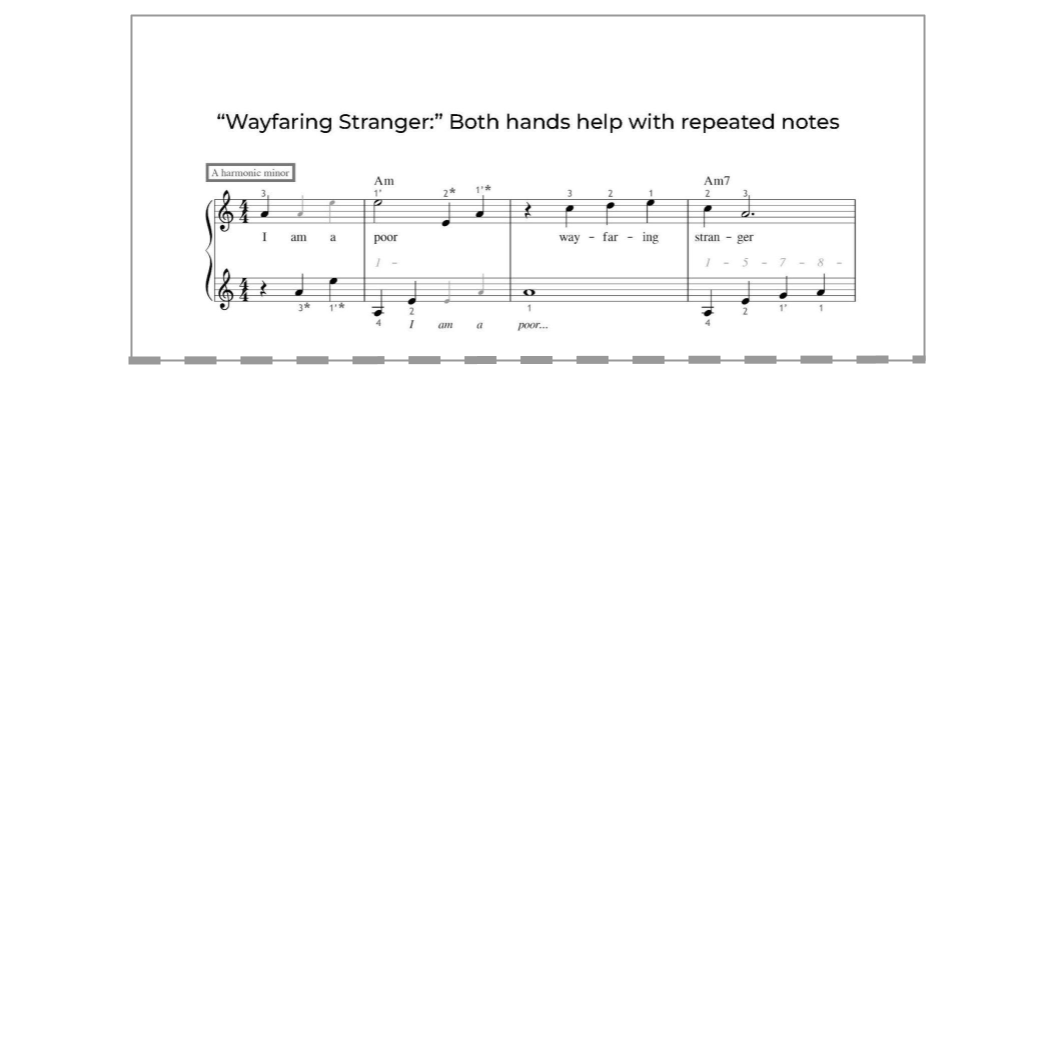
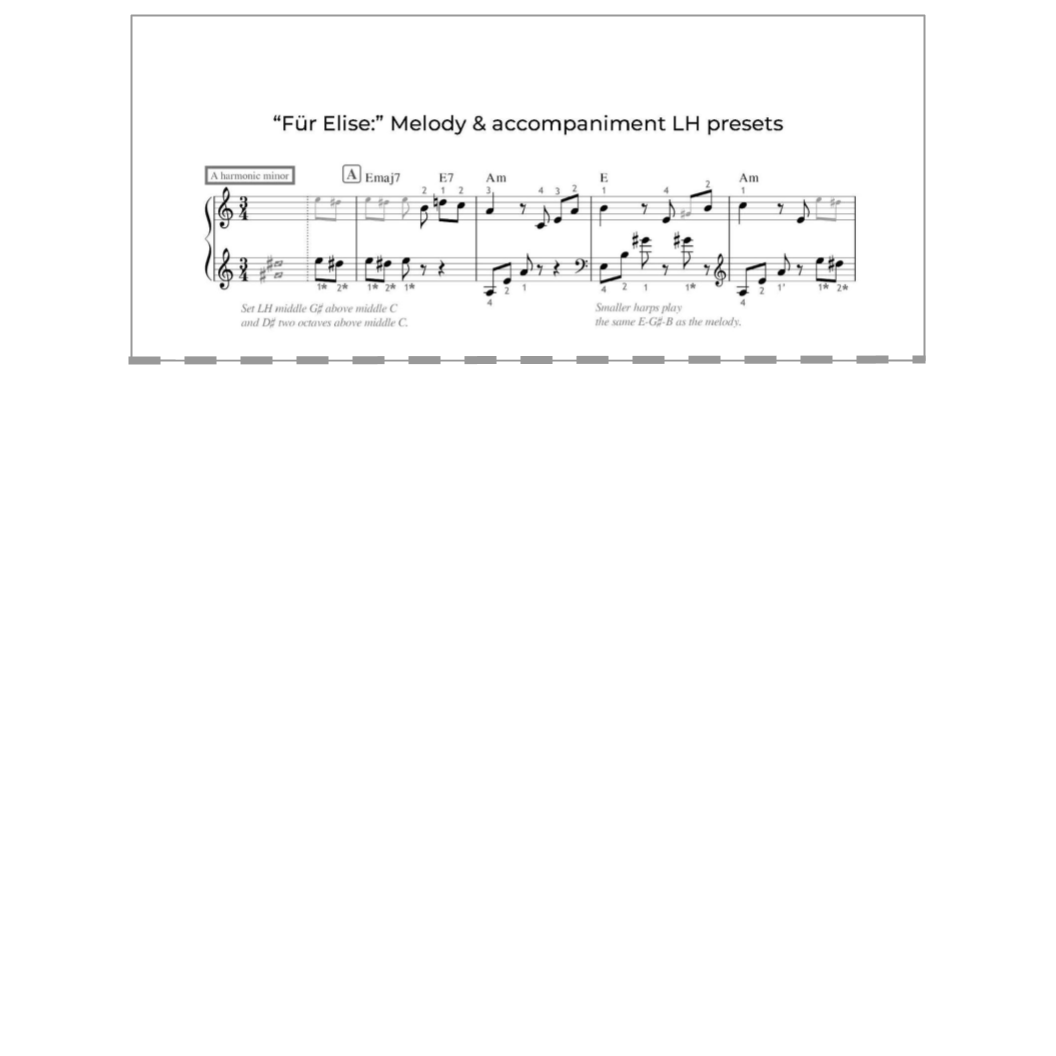
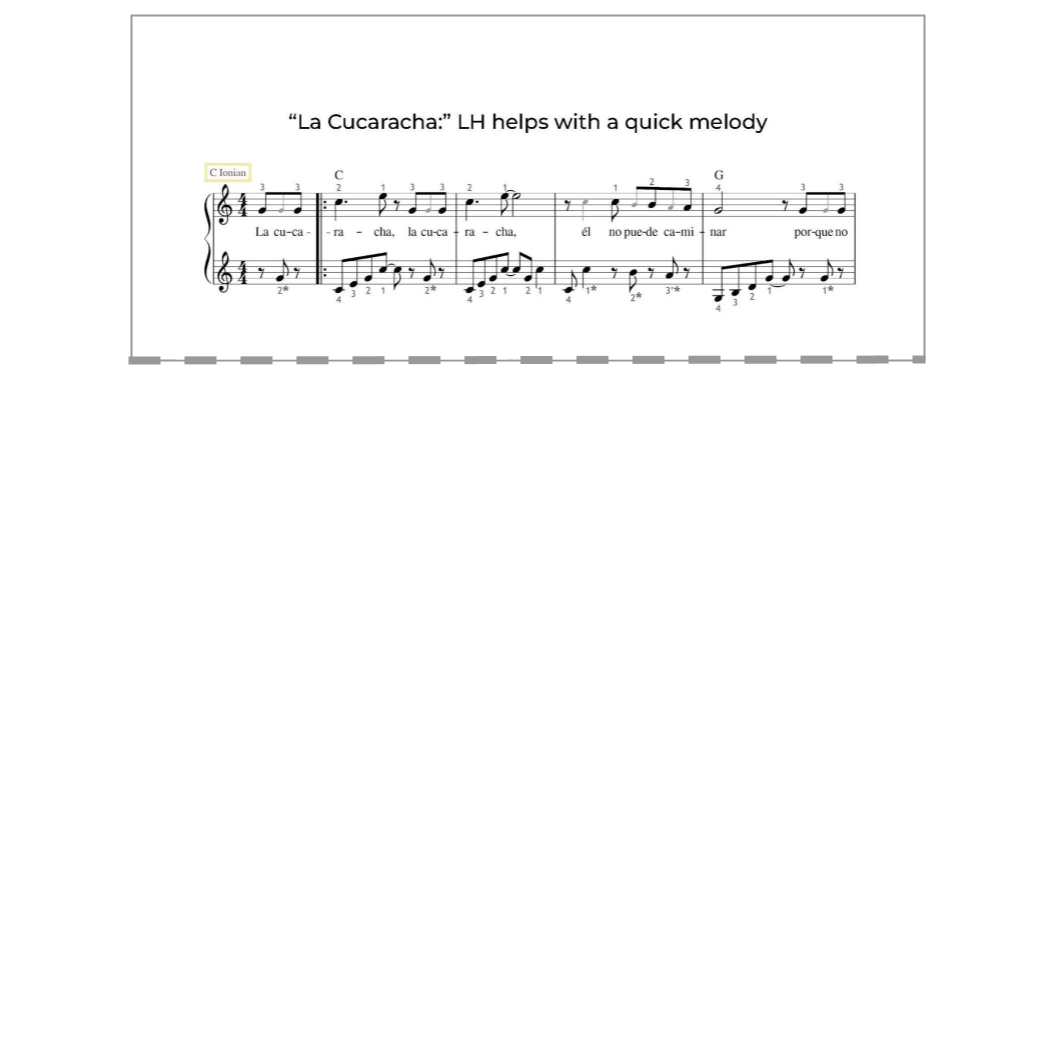
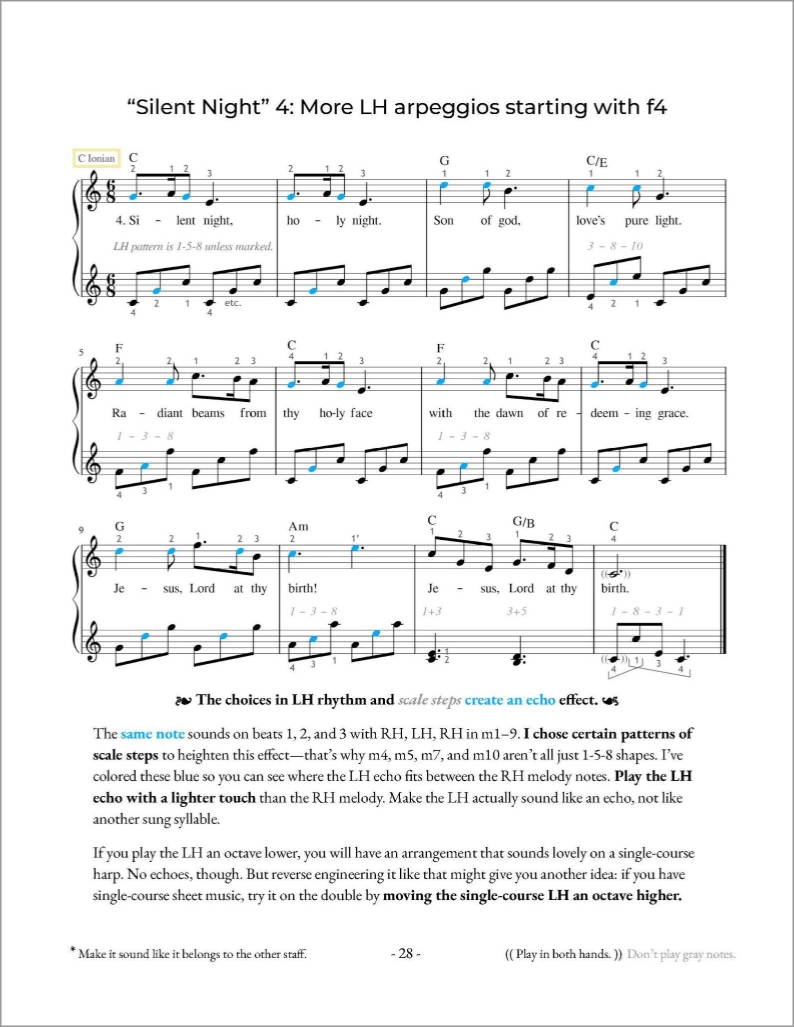
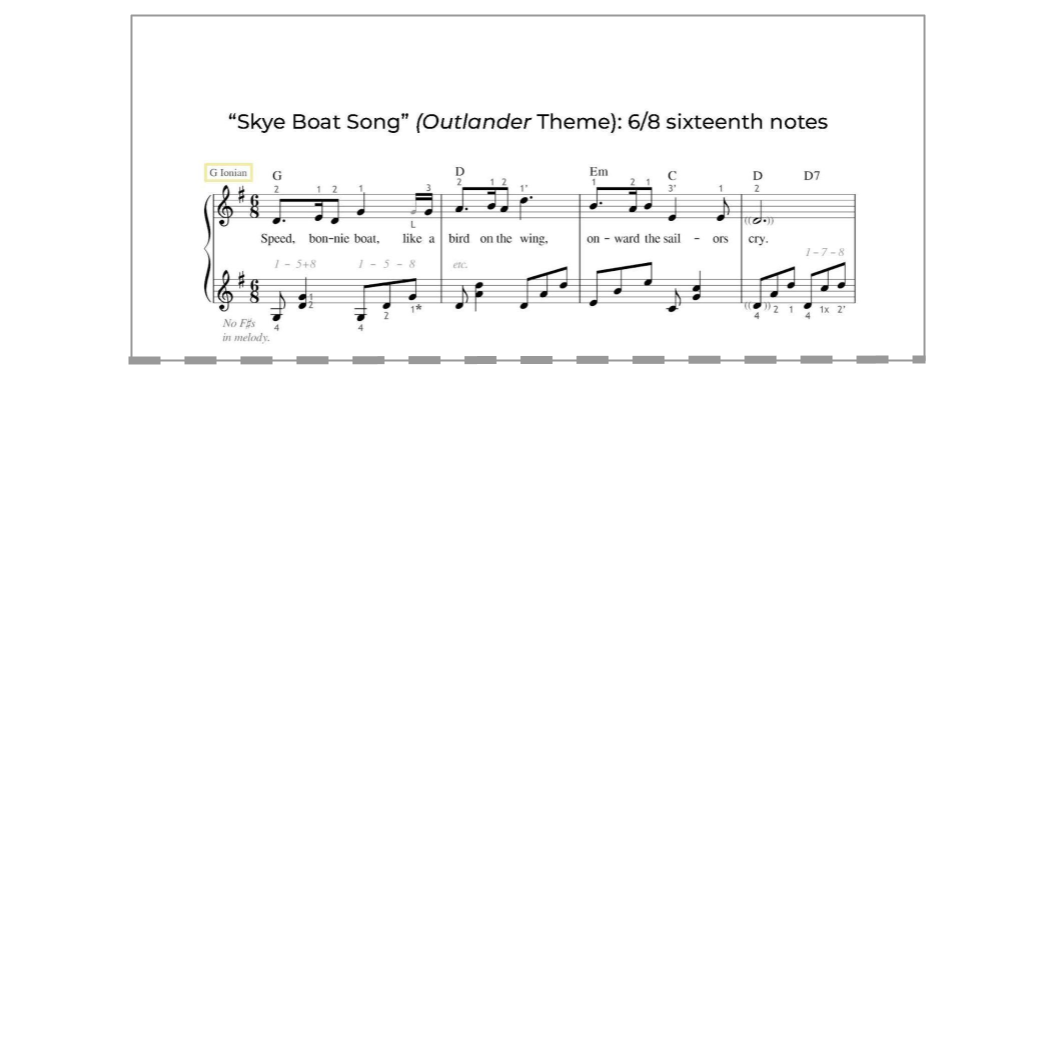
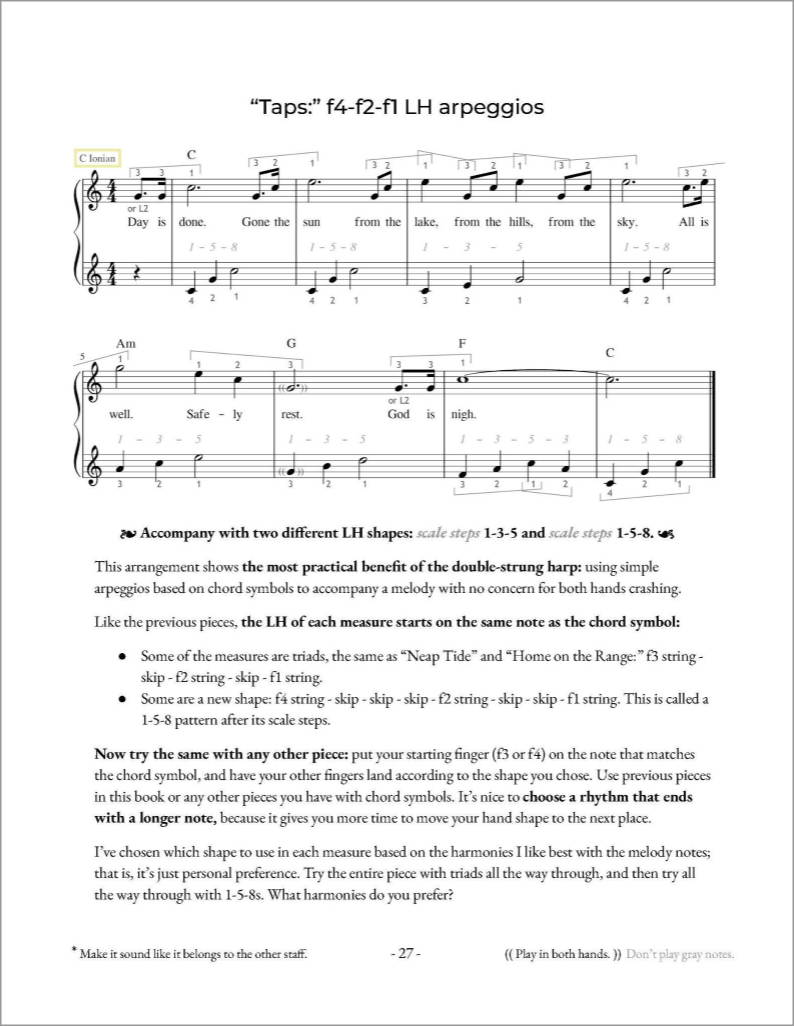
Contents: “Adeste Fideles” (O Come, All Ye Faithful), “Aura Lea” (two versions), “Beautiful Dreamer” (two versions), “Carol of the Bells” (Shchedryk), “Cremonea,” “Dona Nobis Pacem” (two versions), “Für Elise,” “Home on the Range,” “How Great Thou Art” (O Store Gud), “La Cucaracha,” “Loch Lomond,” “Oh! Susanna,” Bach’s “Prelude in C,” “Scarborough Fair,” “Skye Boat Song” (Outlander Theme), “The Sheep-Shearers” (Next Oars) (two versions),“Silent Night” (four versions), “Streets of Laredo” (Cowboy’s Lament), “Swing Low, Sweet Chariot,” “Taps,” “Wayfaring Stranger,” and “When the Saints Go Marching In,” plus 7 etudes, explorations on 4 additional pieces, and 44 exercises.
The lowest note in all but three of the arrangements is the G below middle C. The highest note is three Es above middle C. Most arrangements use two treble clefs (there is mostly no bass clef). About 12 of the arrangements and exercises are lever-free, about 17 use an F♯, and four also use an A♭, B♭, C♯, D♯, E♭, or G♯.
If you consider your skill level at the harp to be “beginner,” you will be able to play a version of most of the pieces with recommended modifications.
If you’ve never played harp before, follow the guidelines for how to apply double-strung techniques to everything you’re learning from your chosen beginner harp method. If you already play single-strung harp but are new to the double, follow the instructions for getting accustomed to handling two sets of strings.


Reviews
There are no reviews yet.